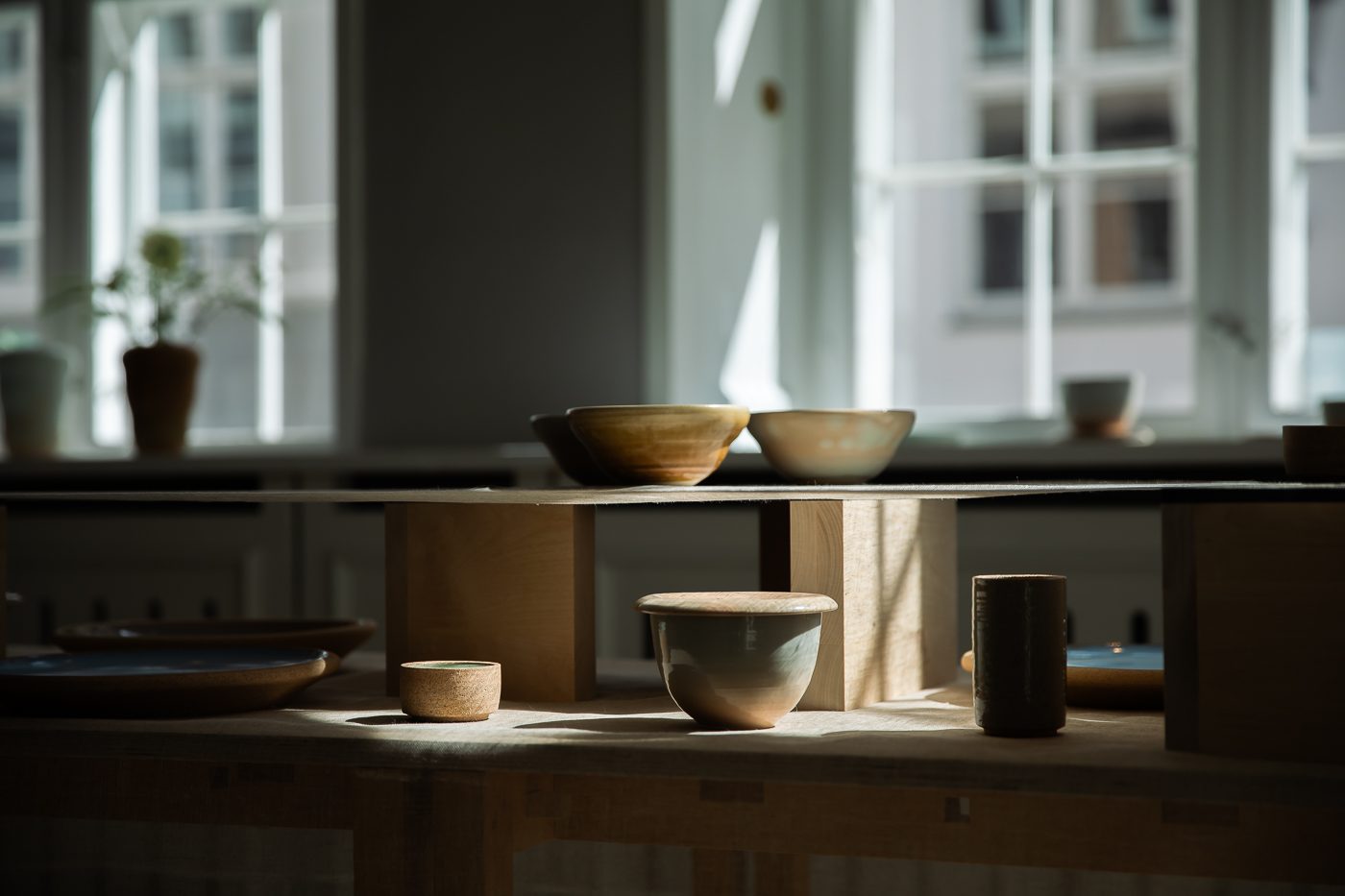
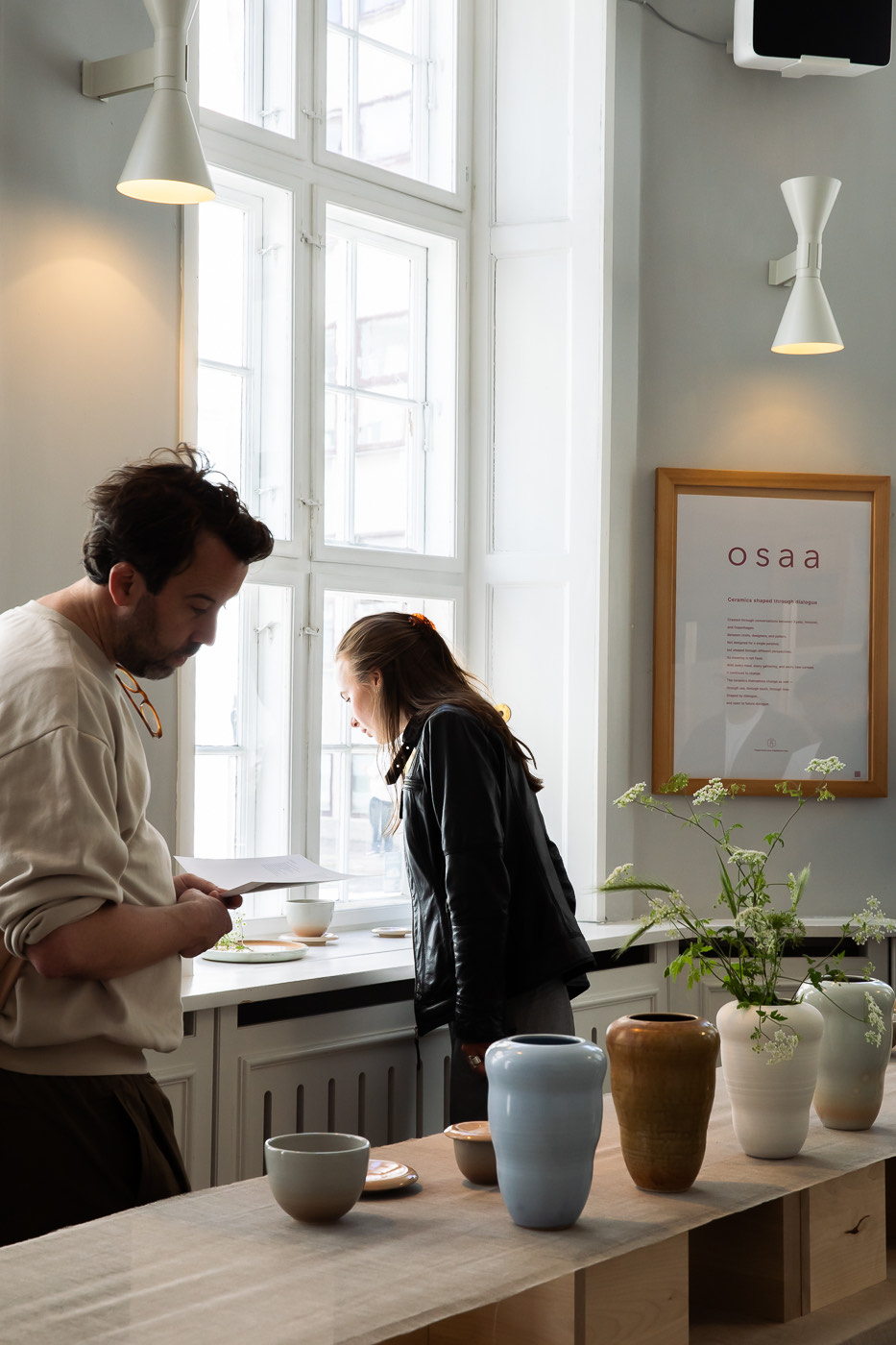
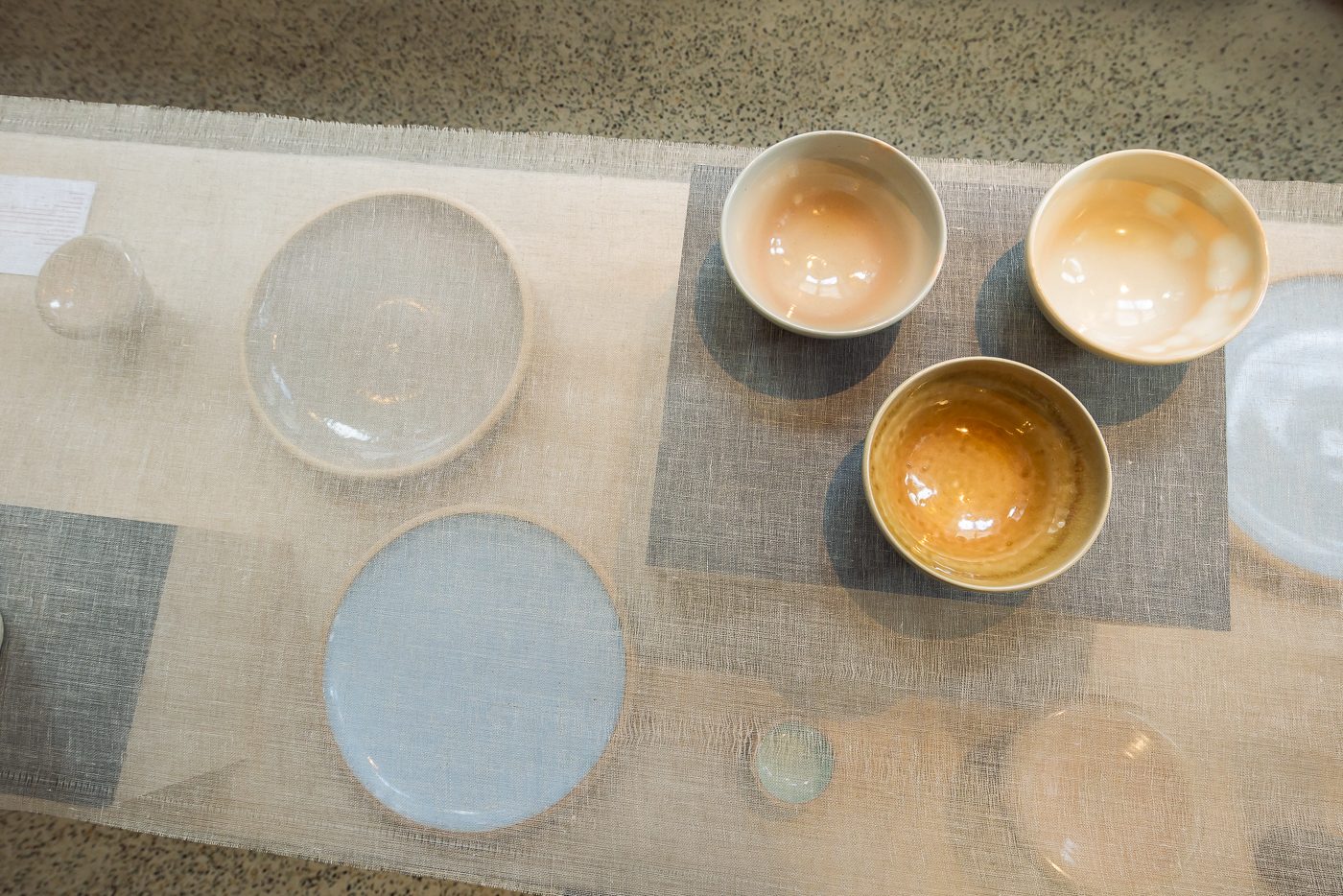
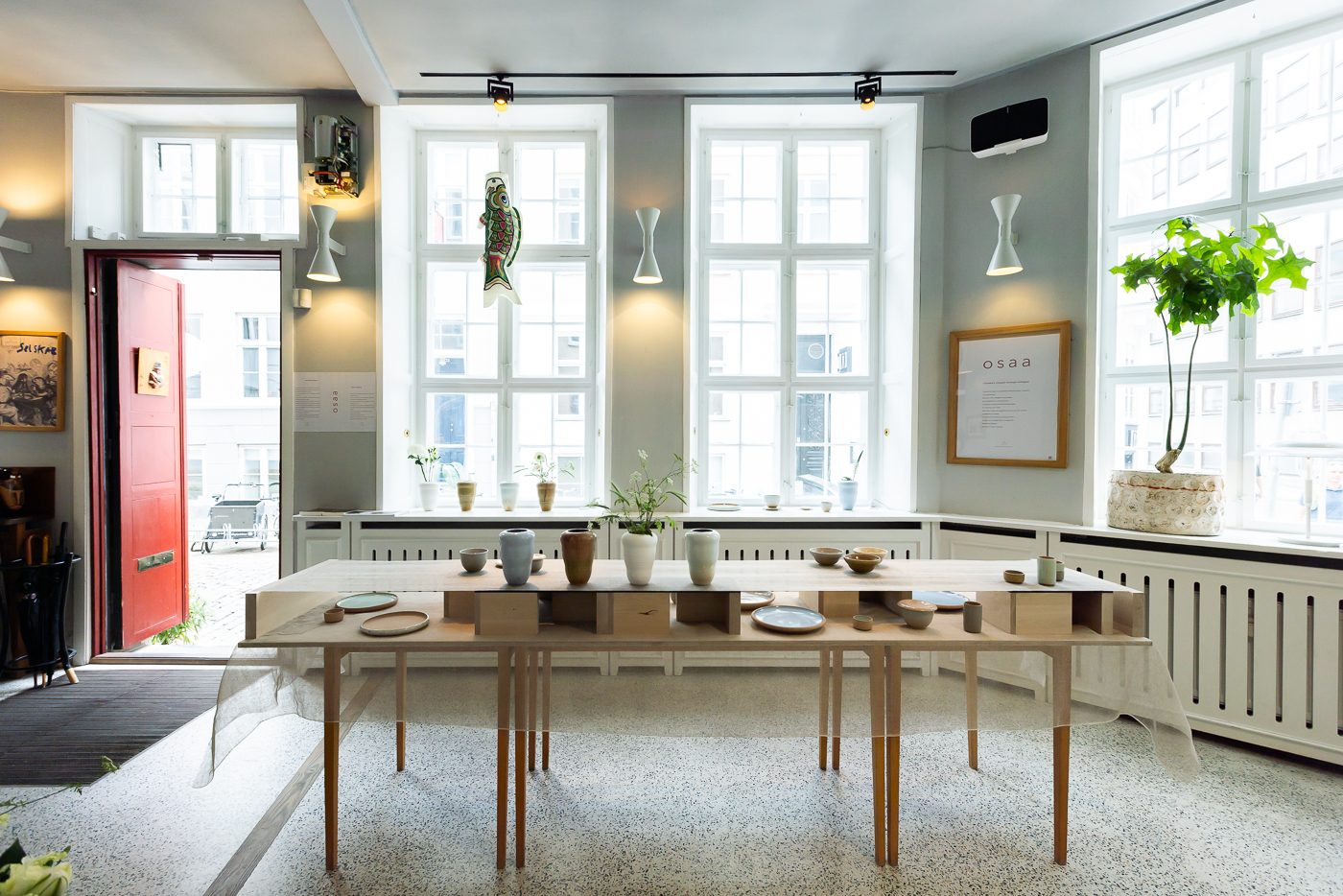
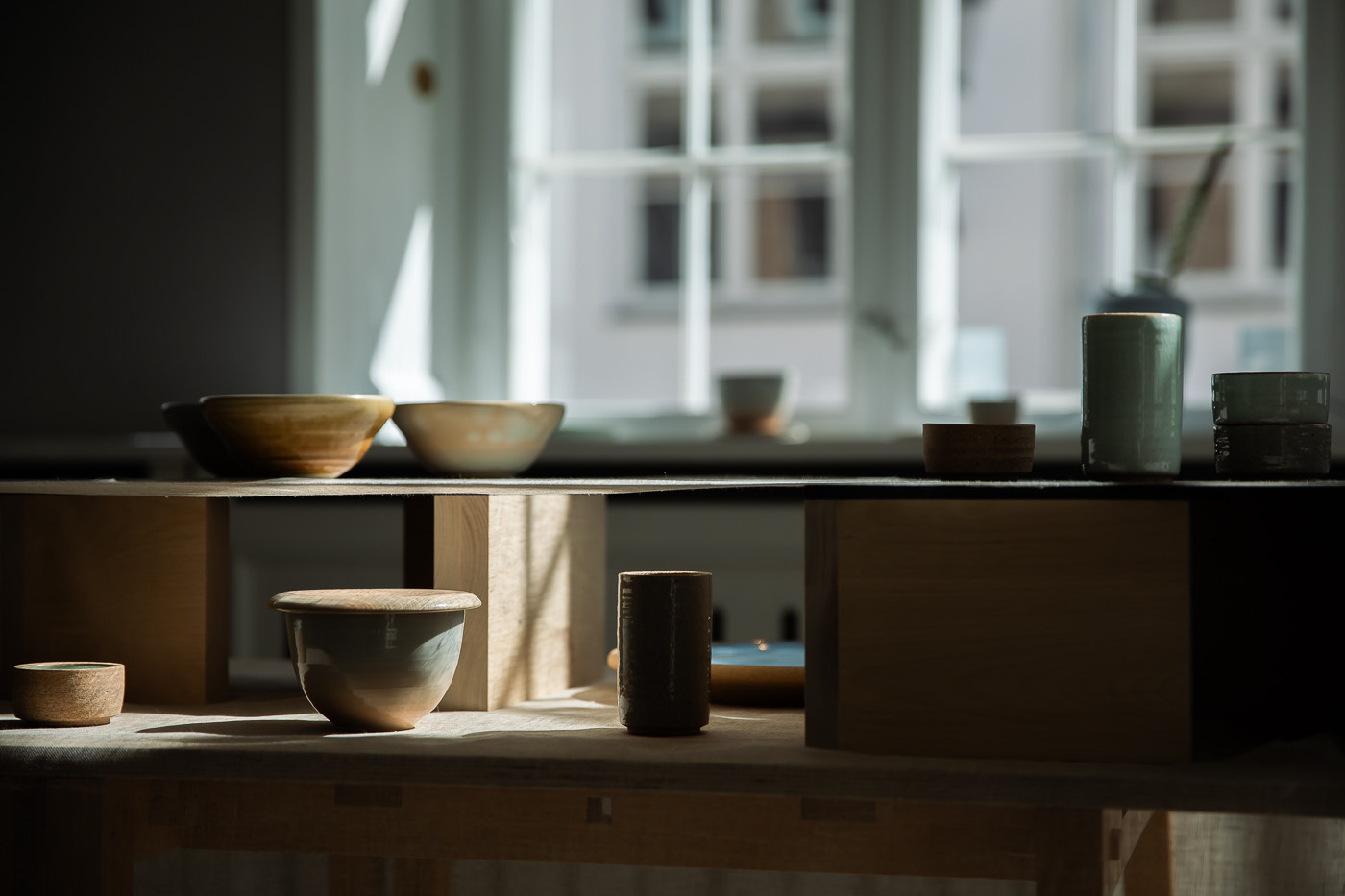
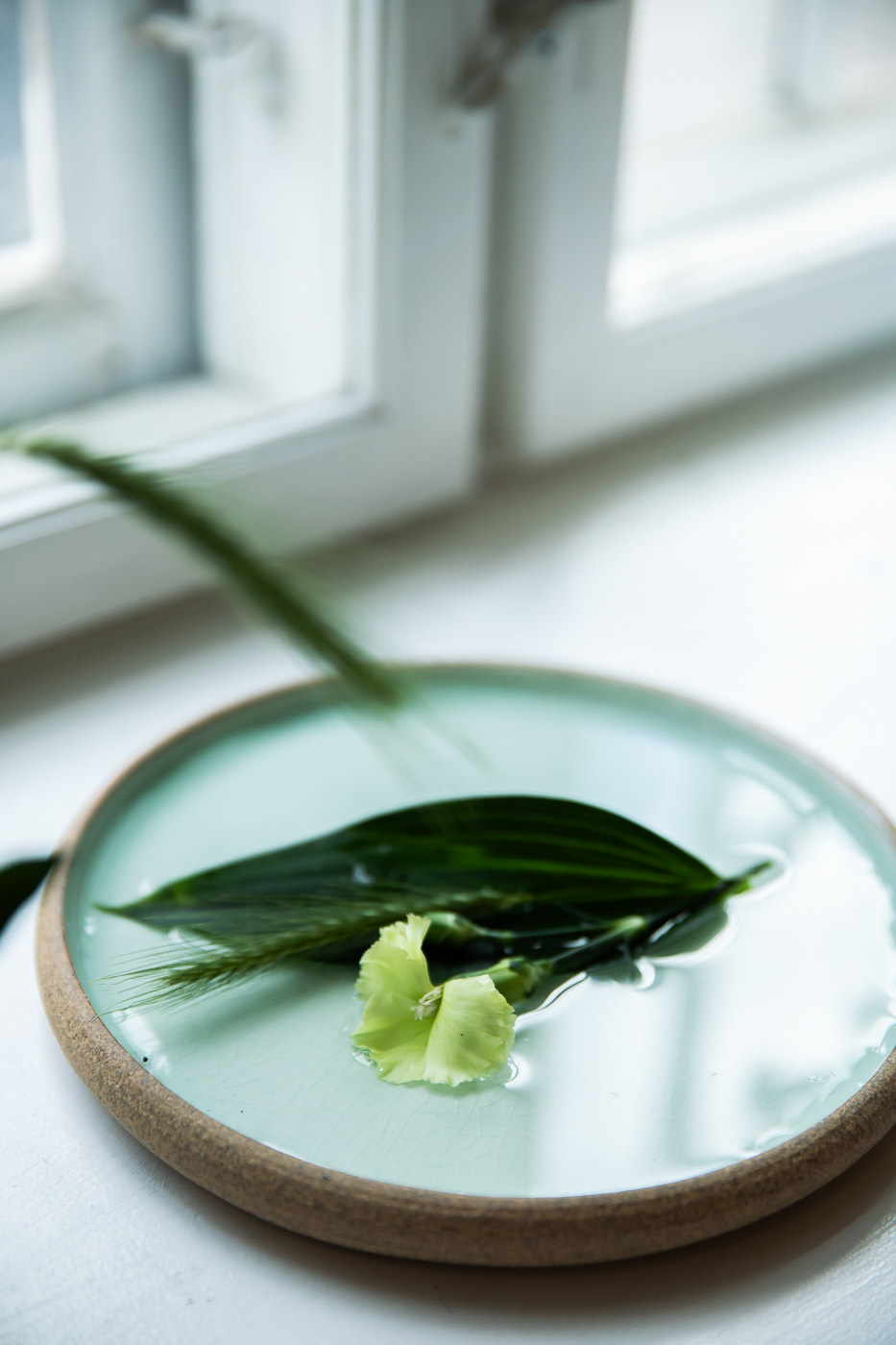
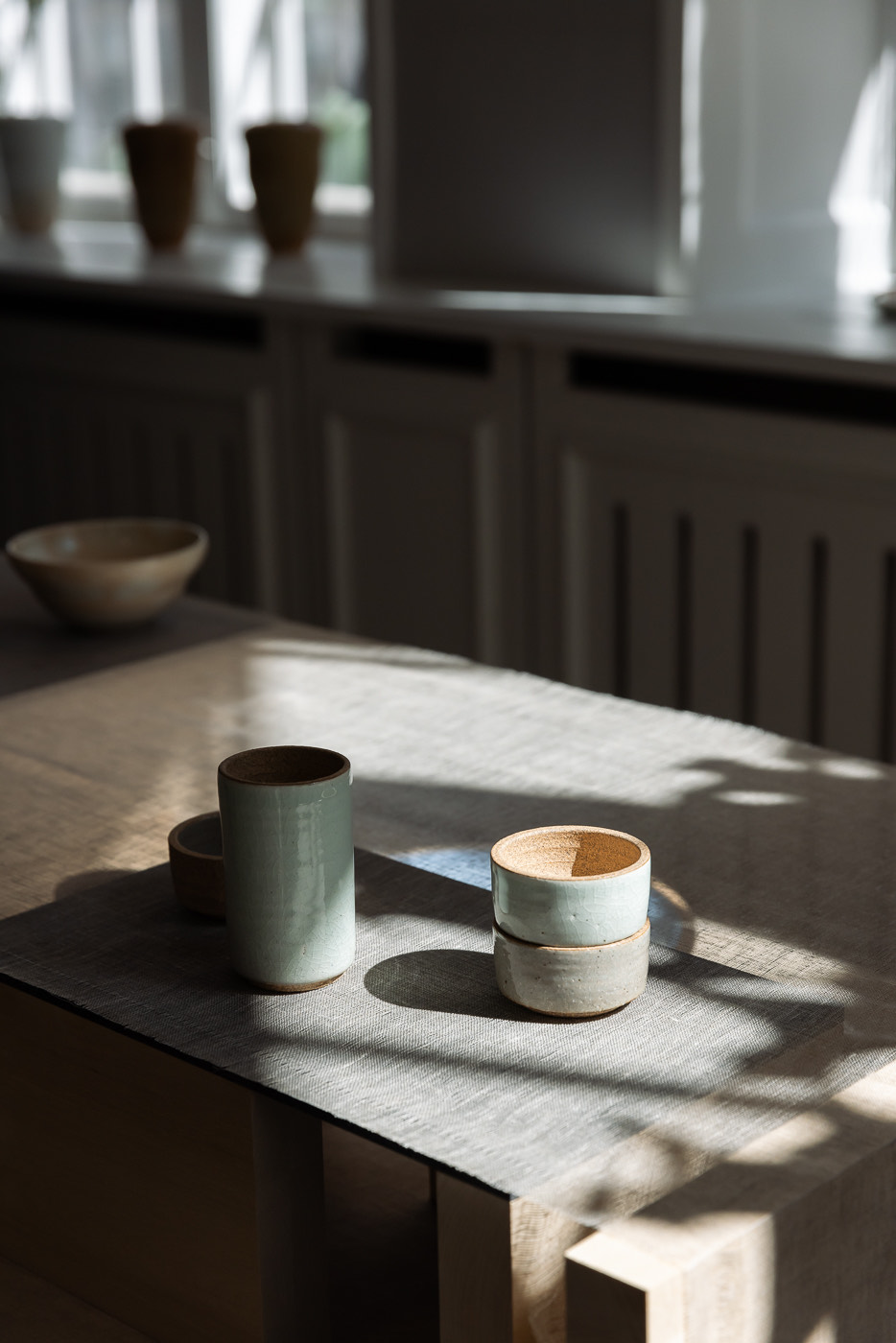
osaaは、レストランとの対話から生まれた器です。
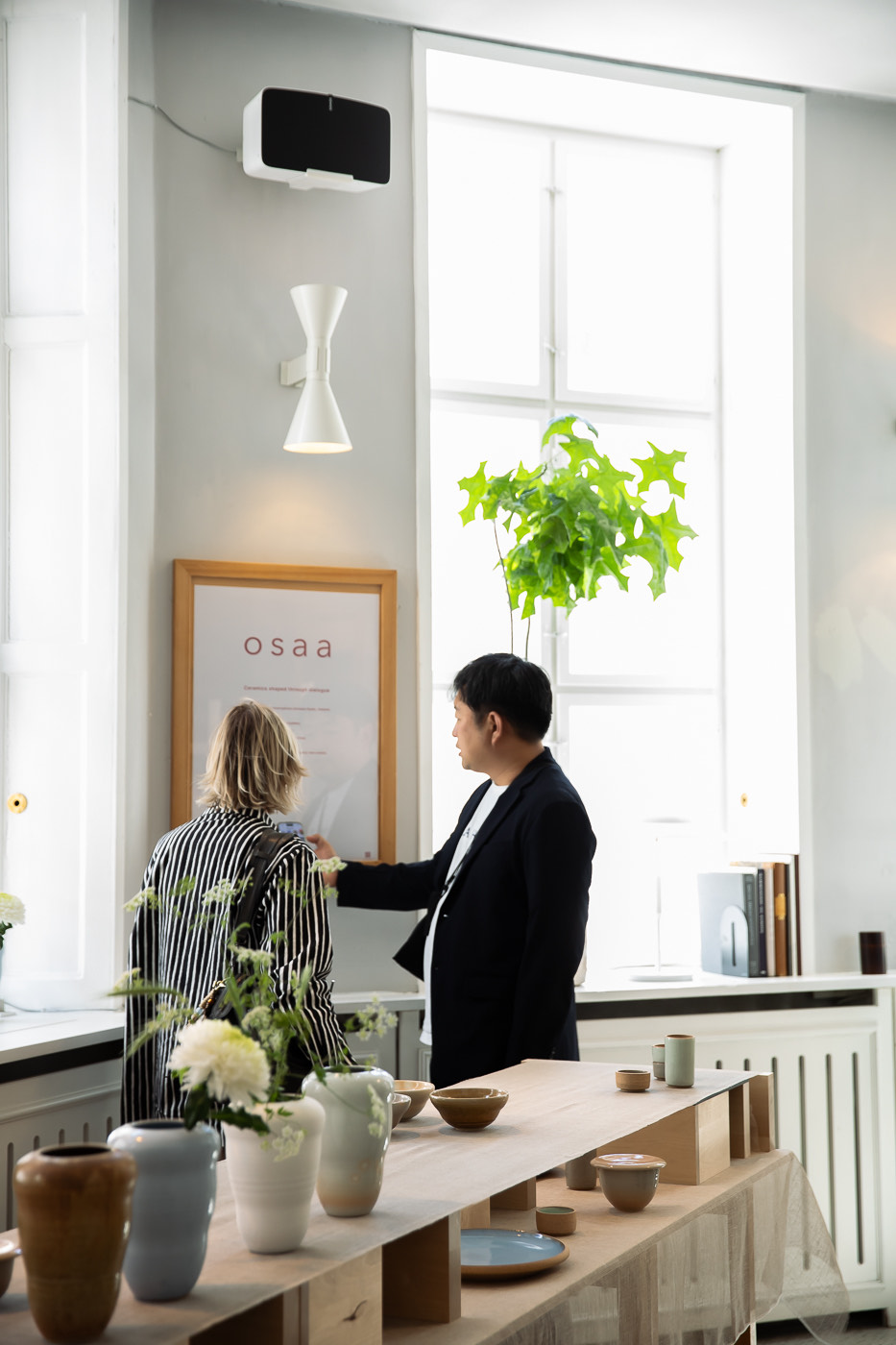
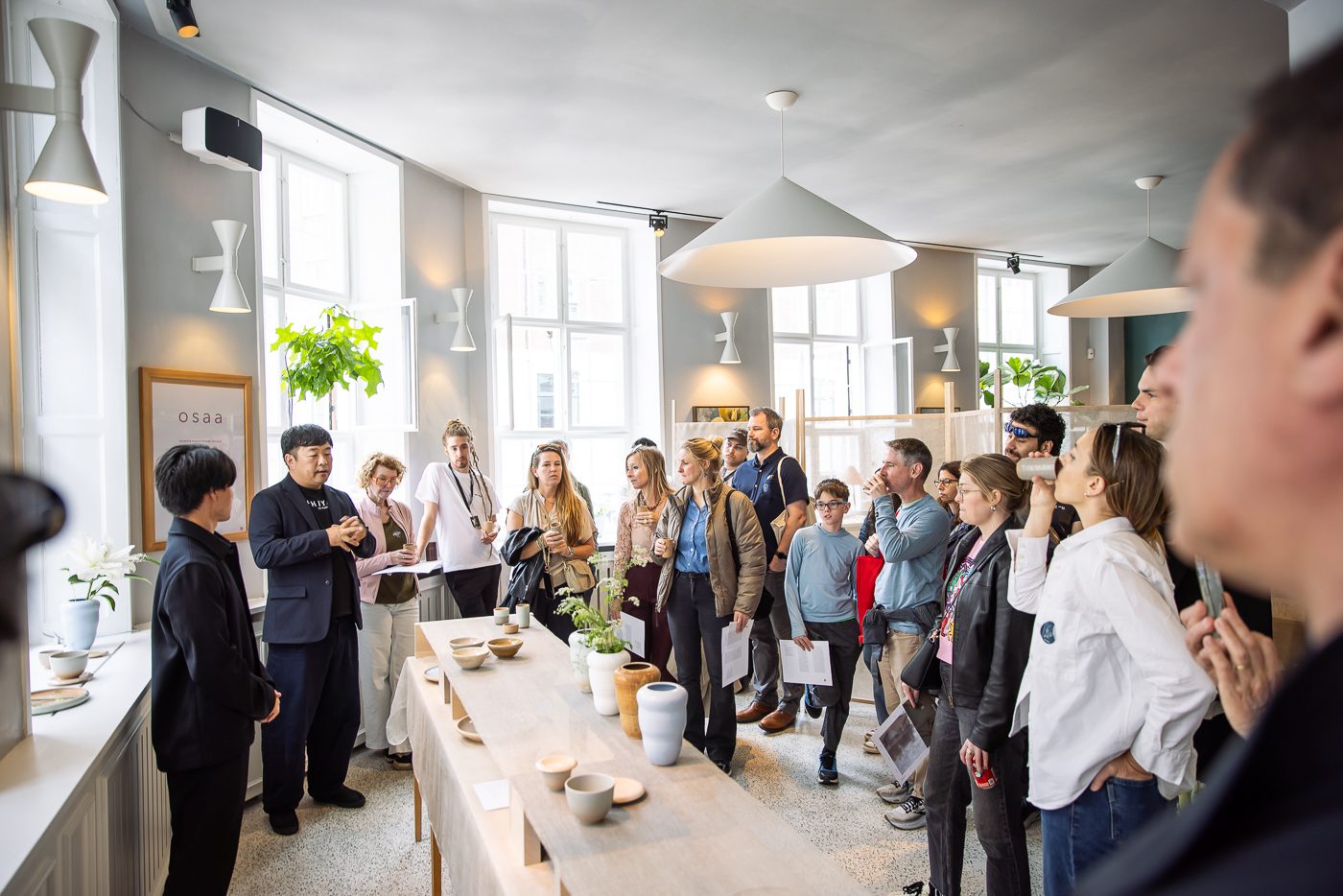
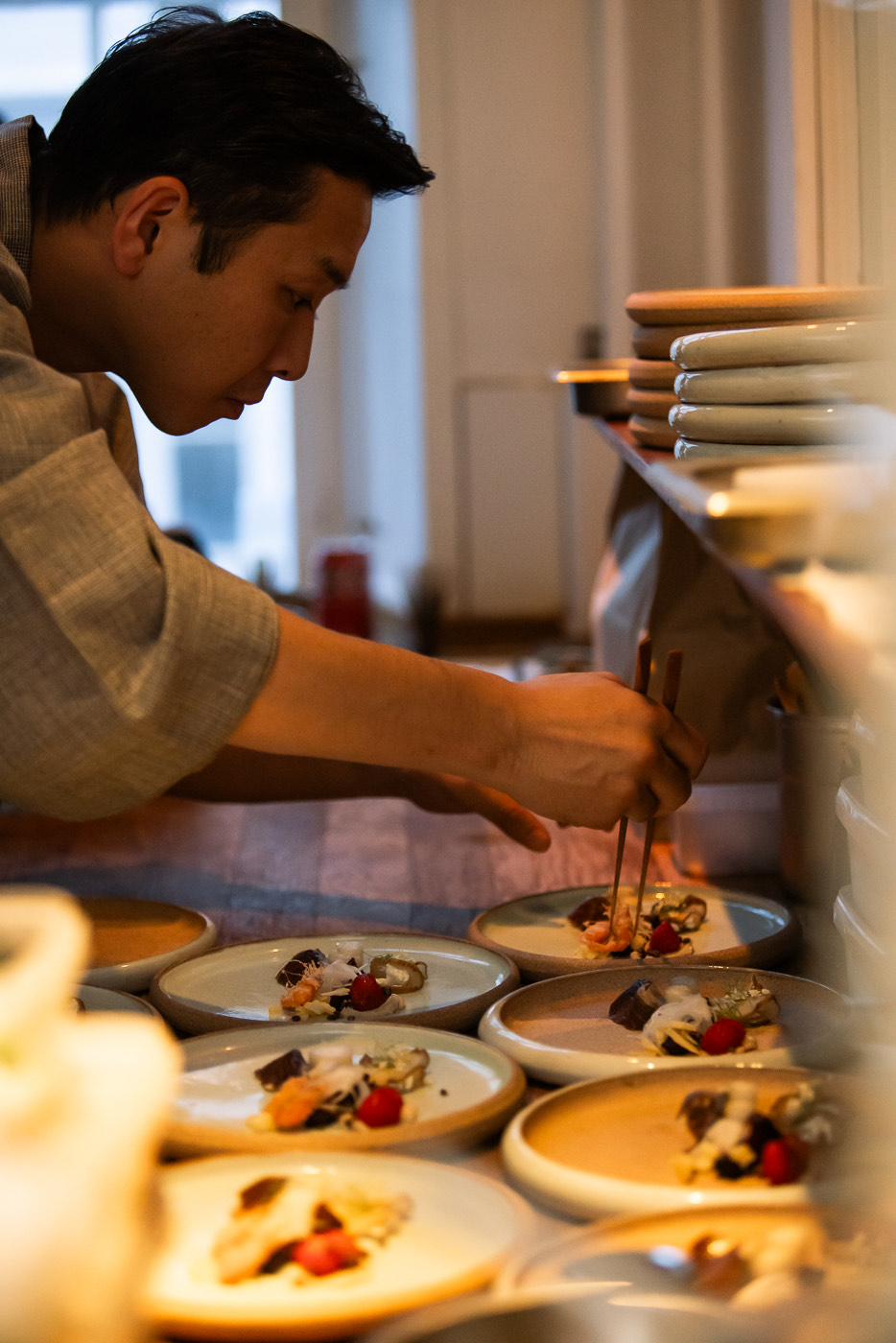
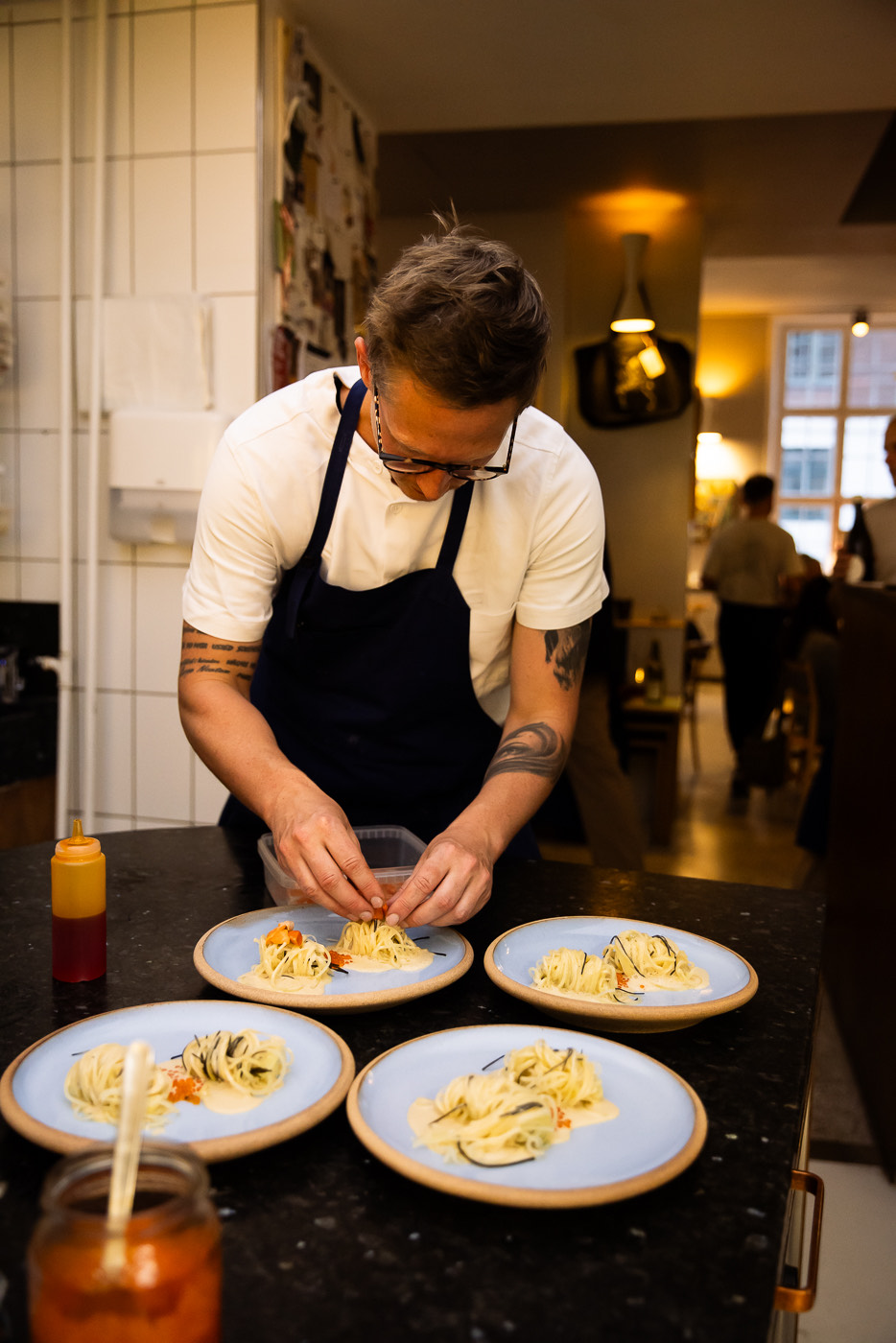
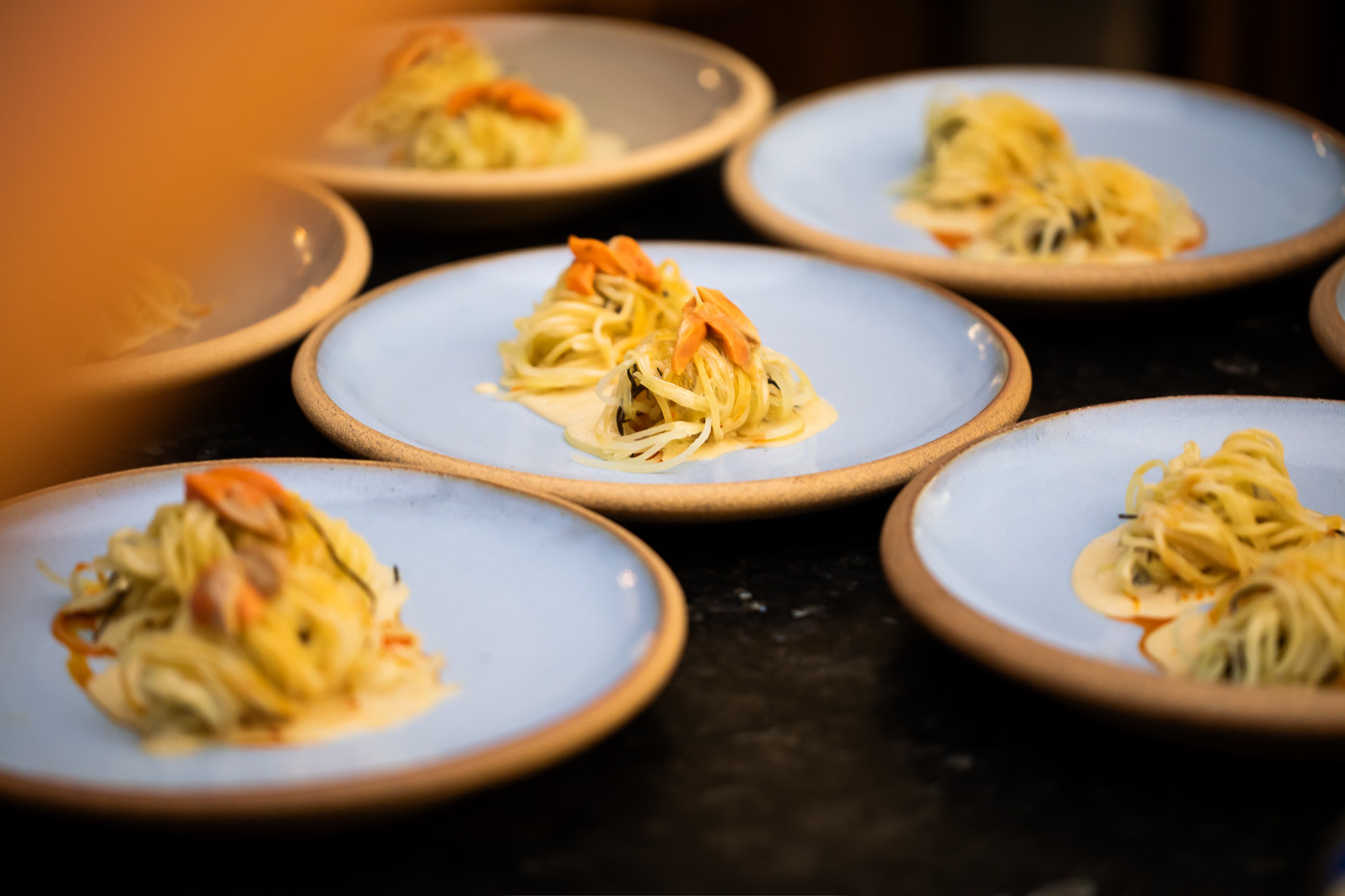
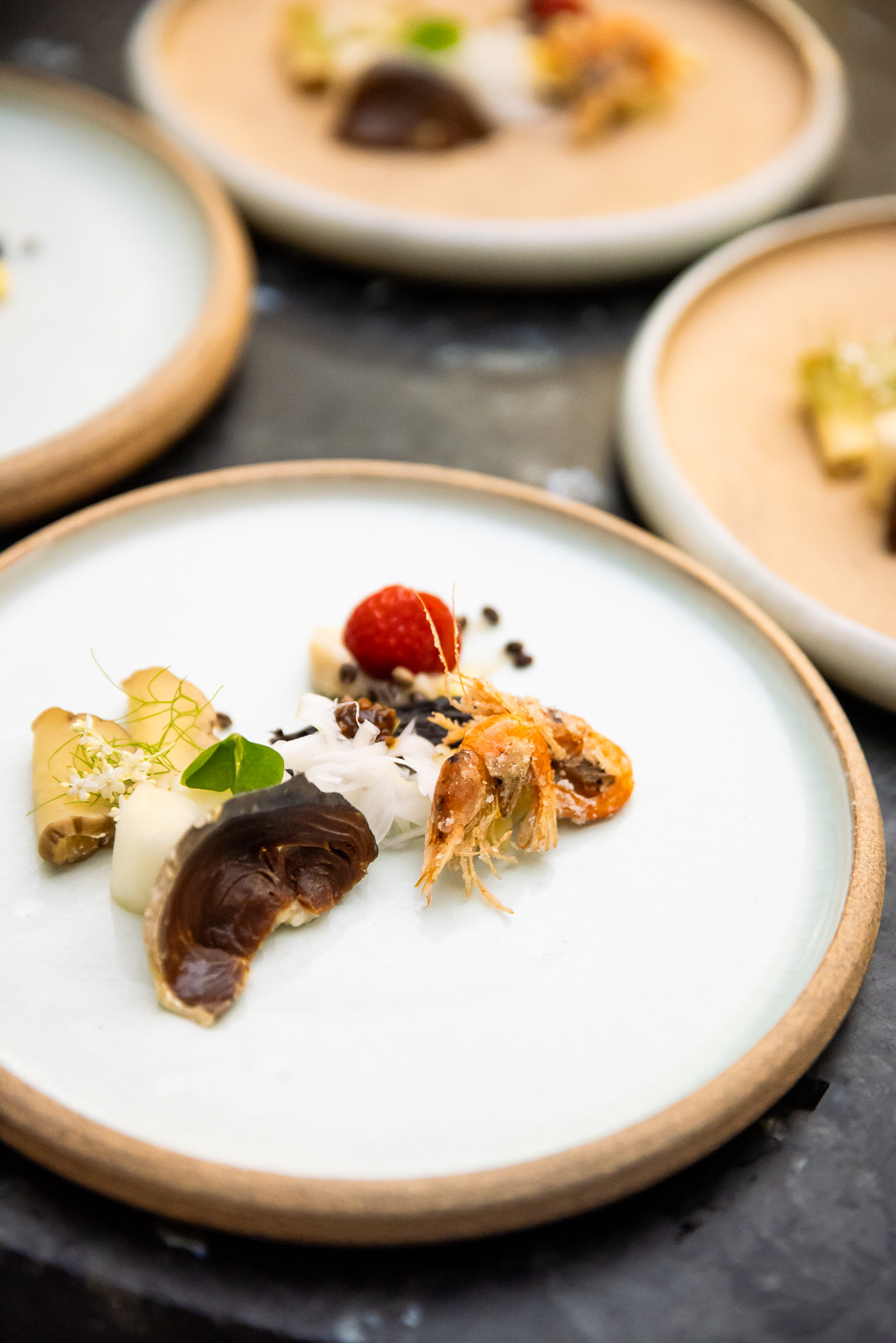
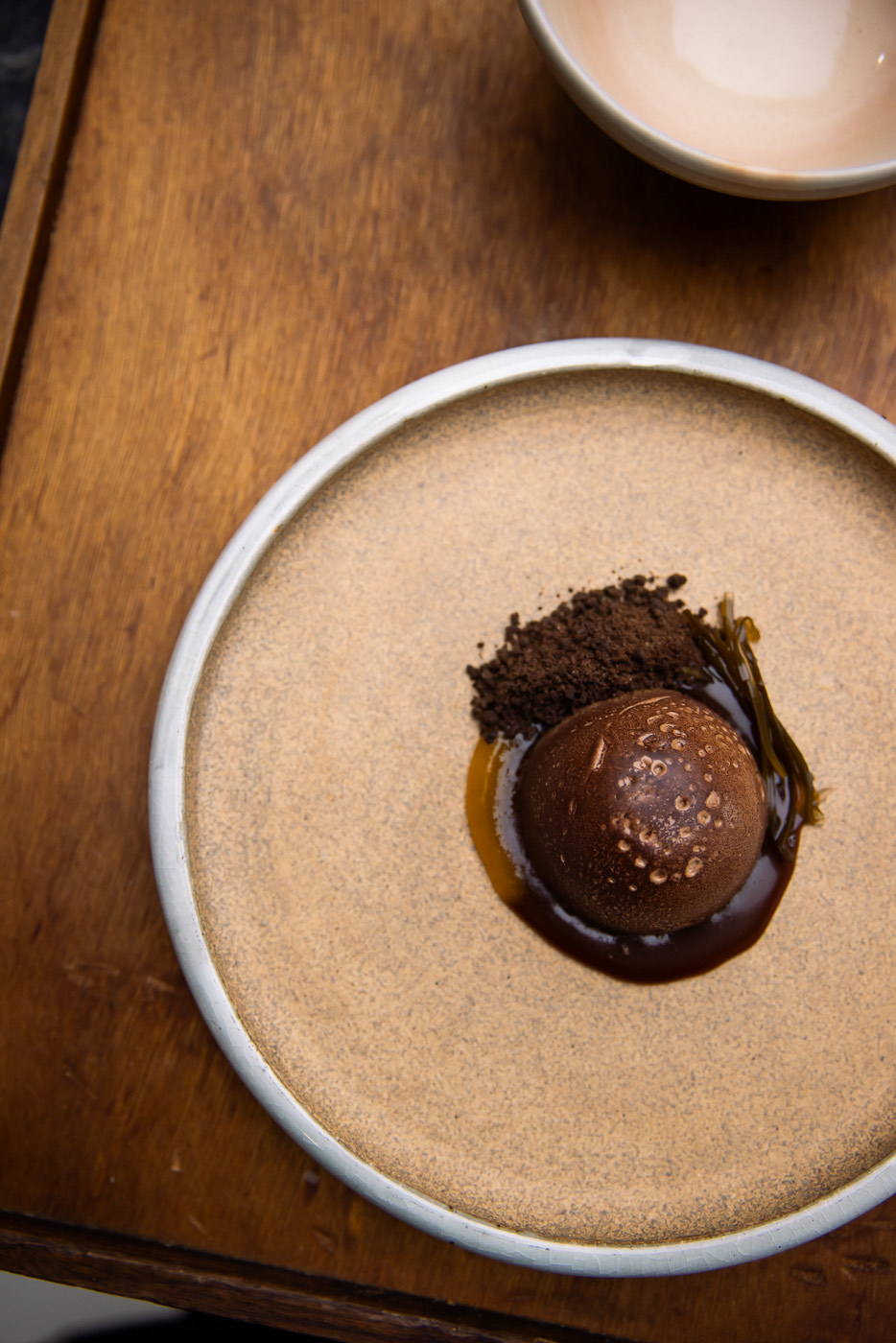
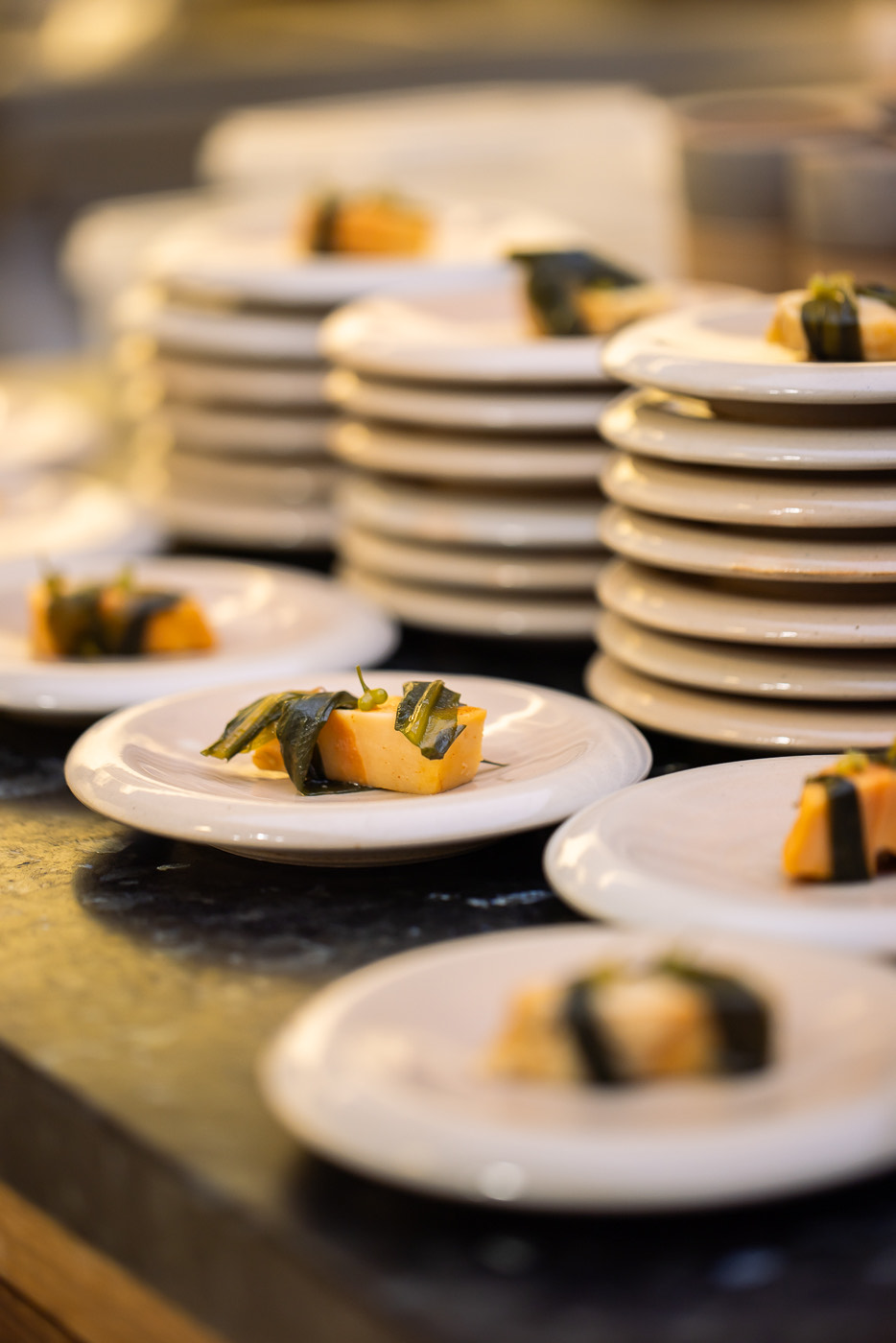
だからこそ今回のコペンハーゲンでの発表でも、器を展示するだけではなく、実際に料理を盛り、レストランで使う体験までをひとつのプロジェクトとして考えました。
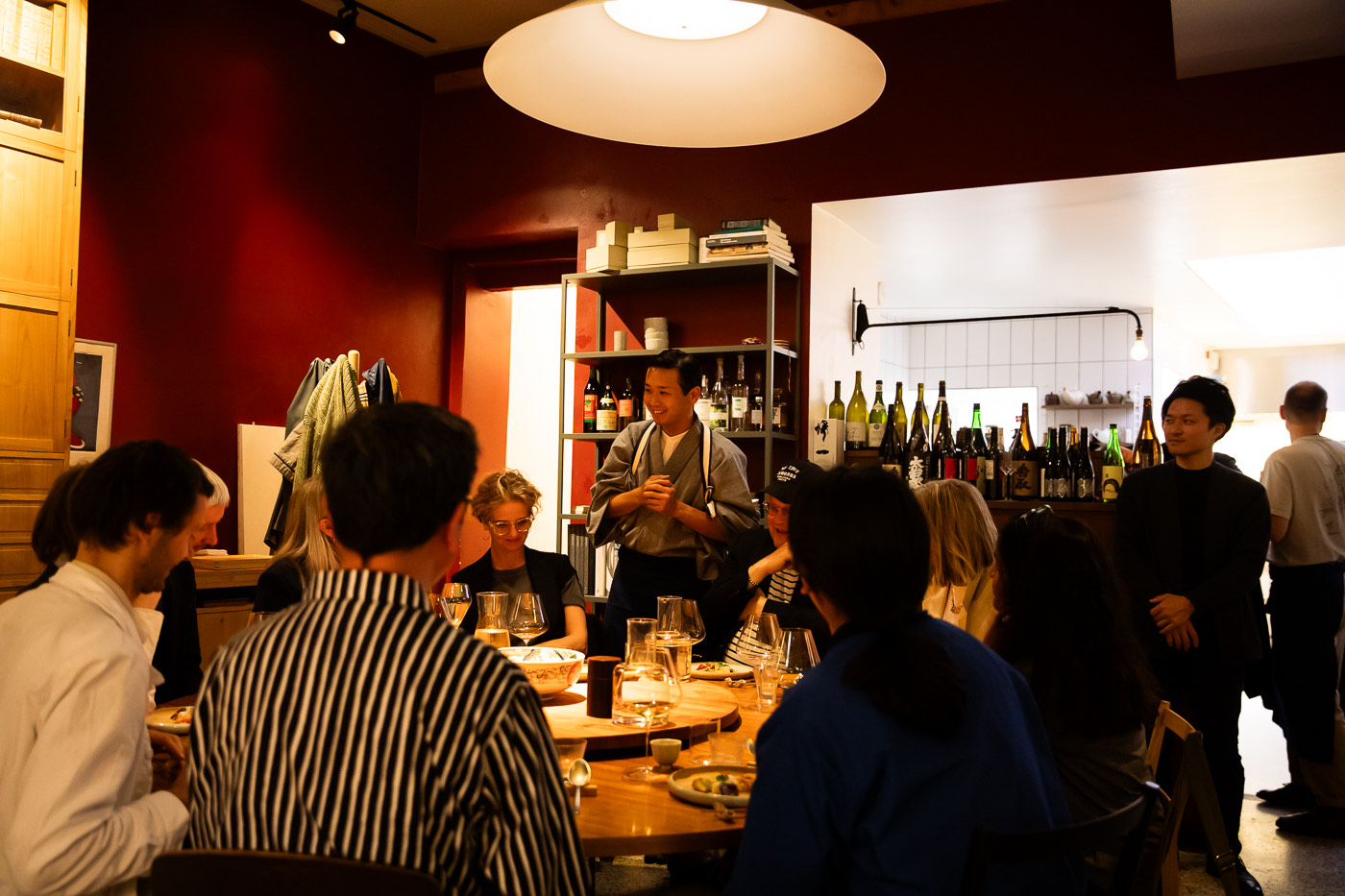
会期中には、京都「そ / s / KAWAHIGASHI」の中東篤志さんと、展示会場となったAdmiralgade 26による食のプログラムを開催しました。
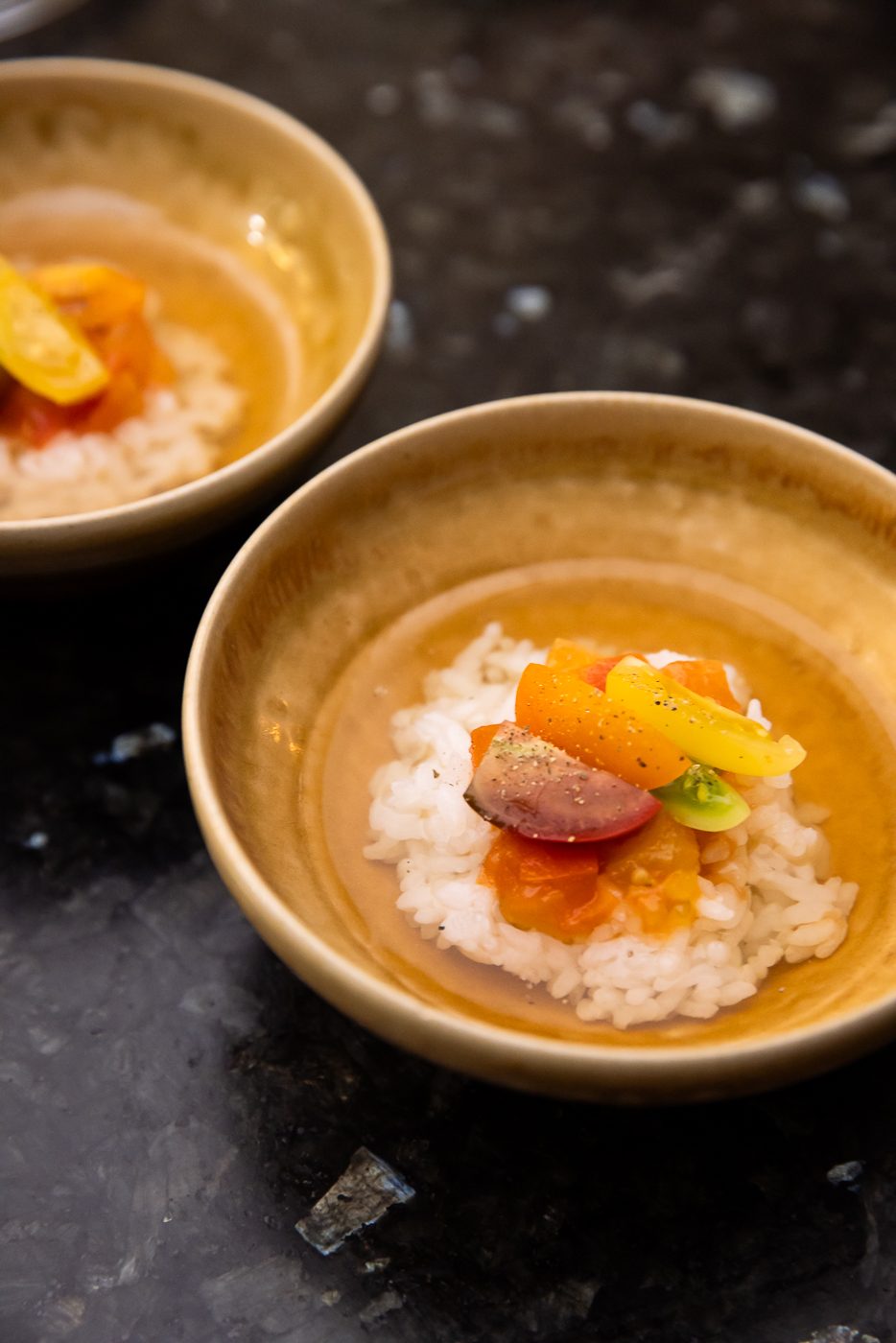
コラボレーションディナーでは、懐石をベースに北欧の食材や感性を取り入れた特別なコースを、osaaの器で提供。
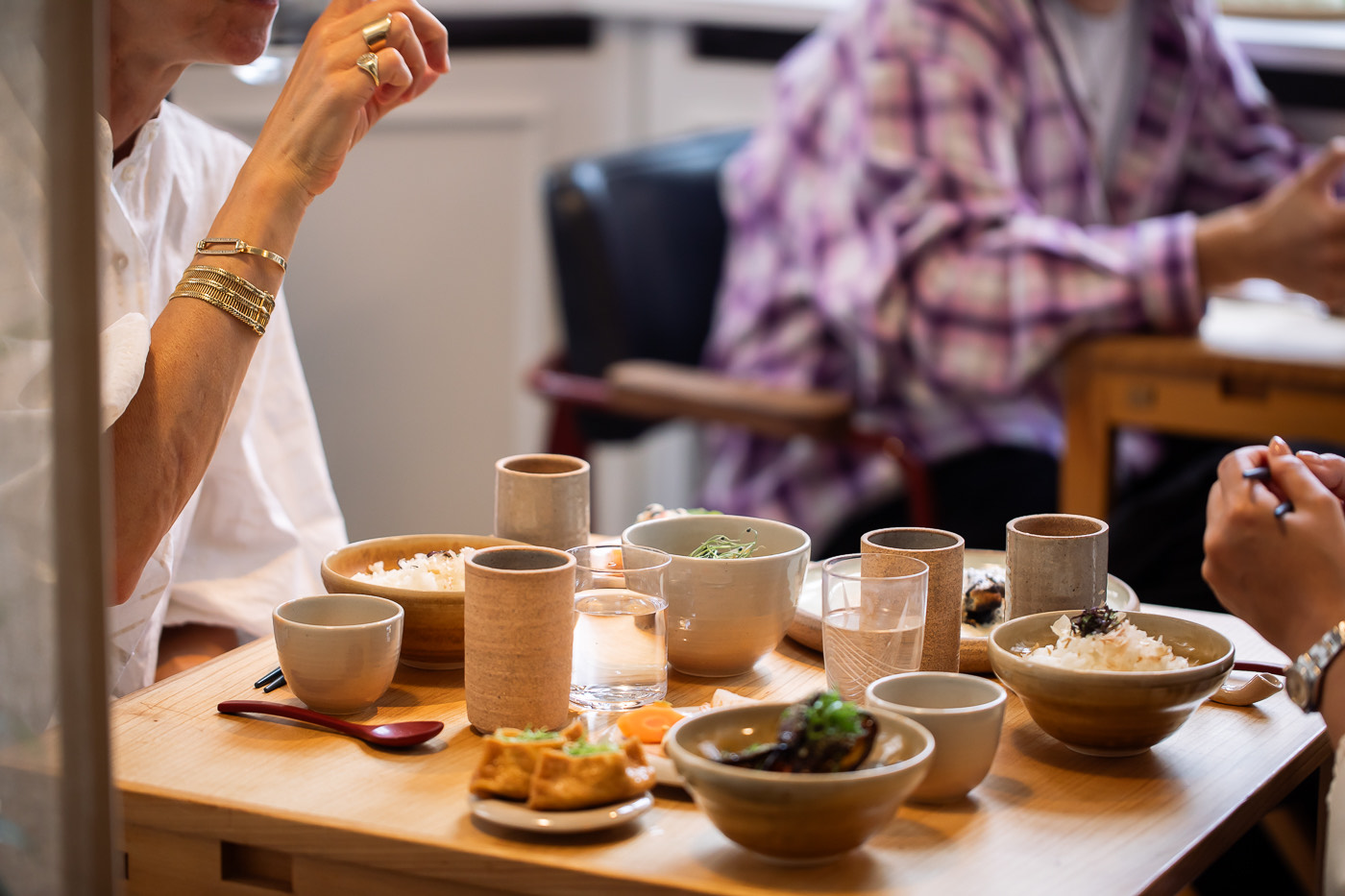
またブランチでは、ご飯、汁、季節の料理、魚、香の物、お茶を通して、日本の朝食をモチーフにしたセットメニューを提供しました。
いずれも満席となり、日本とデンマーク、それぞれの食文化がひとつのテーブルの上で出会う時間となりました。
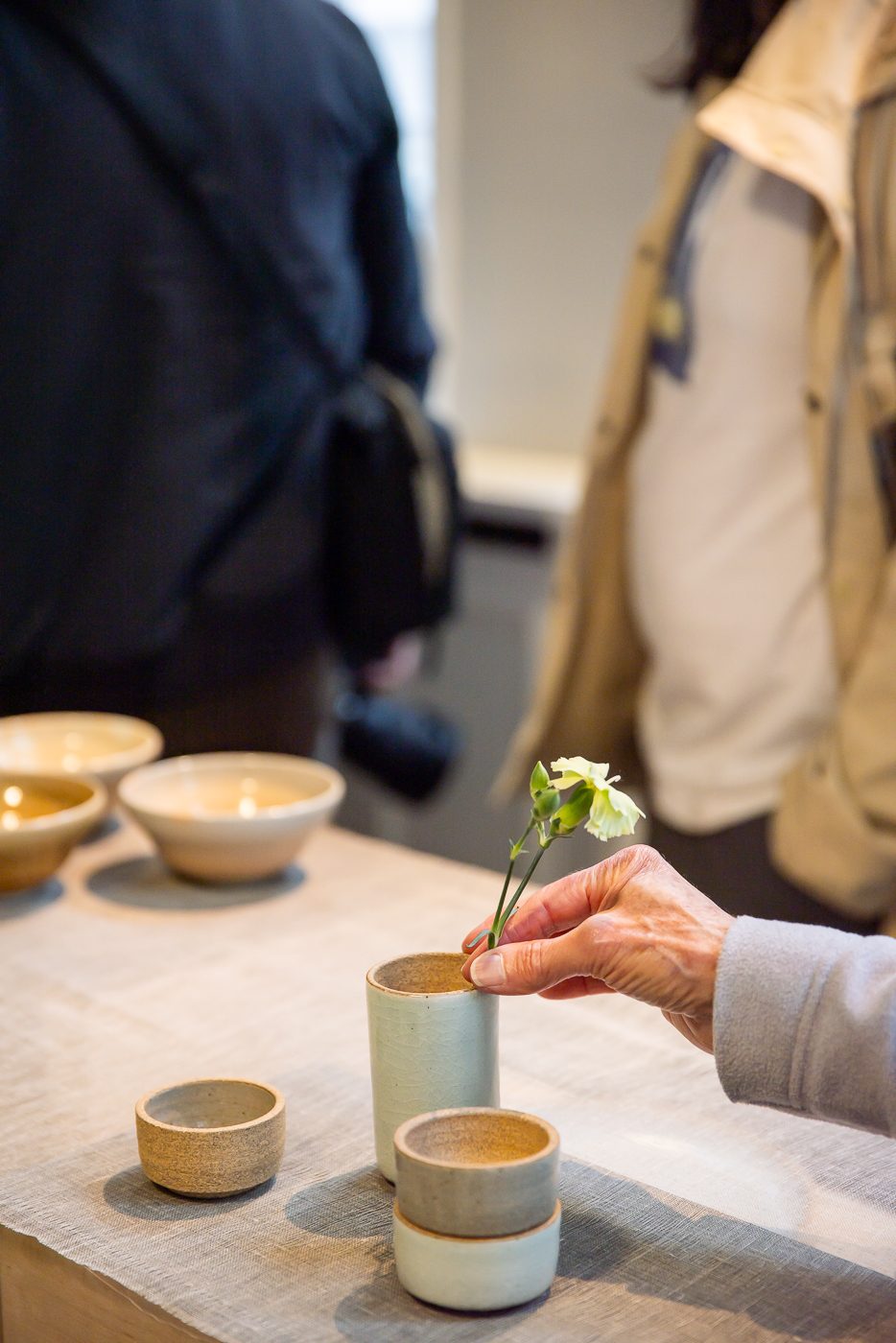
器は、展示台の上だけで完結するものではありません。
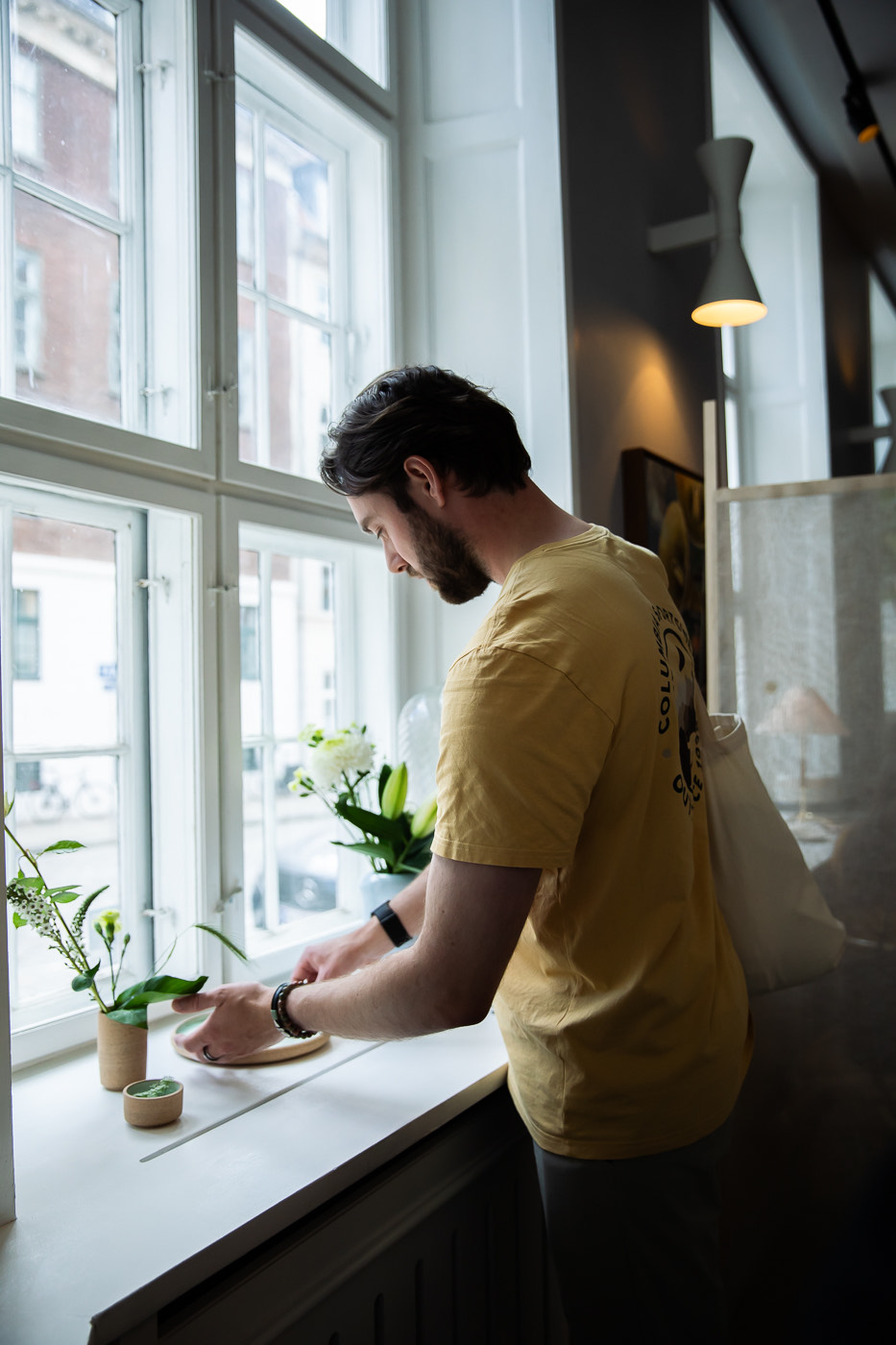
料理が盛られ、人の手に触れ、食卓を囲む時間のなかで使われることで、初めて見えてくる表情があります。
つくる人。
料理する人。
そして、使う人。
それぞれの対話の間に器があること。
それは、osaaがこのプロジェクトを通して考え続けてきたことでもあります。
osaa is a collection of vessels born from dialogue with restaurants.
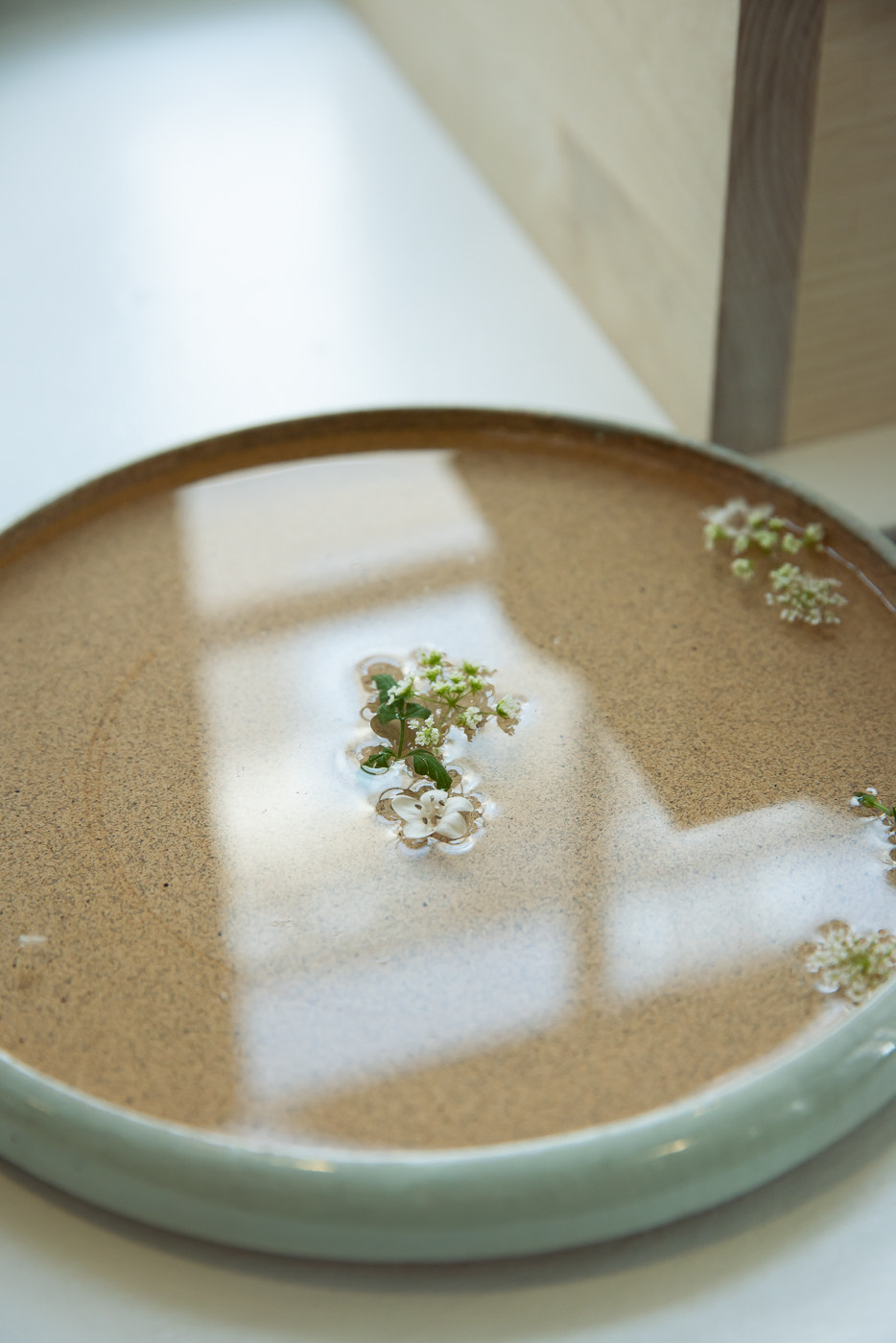
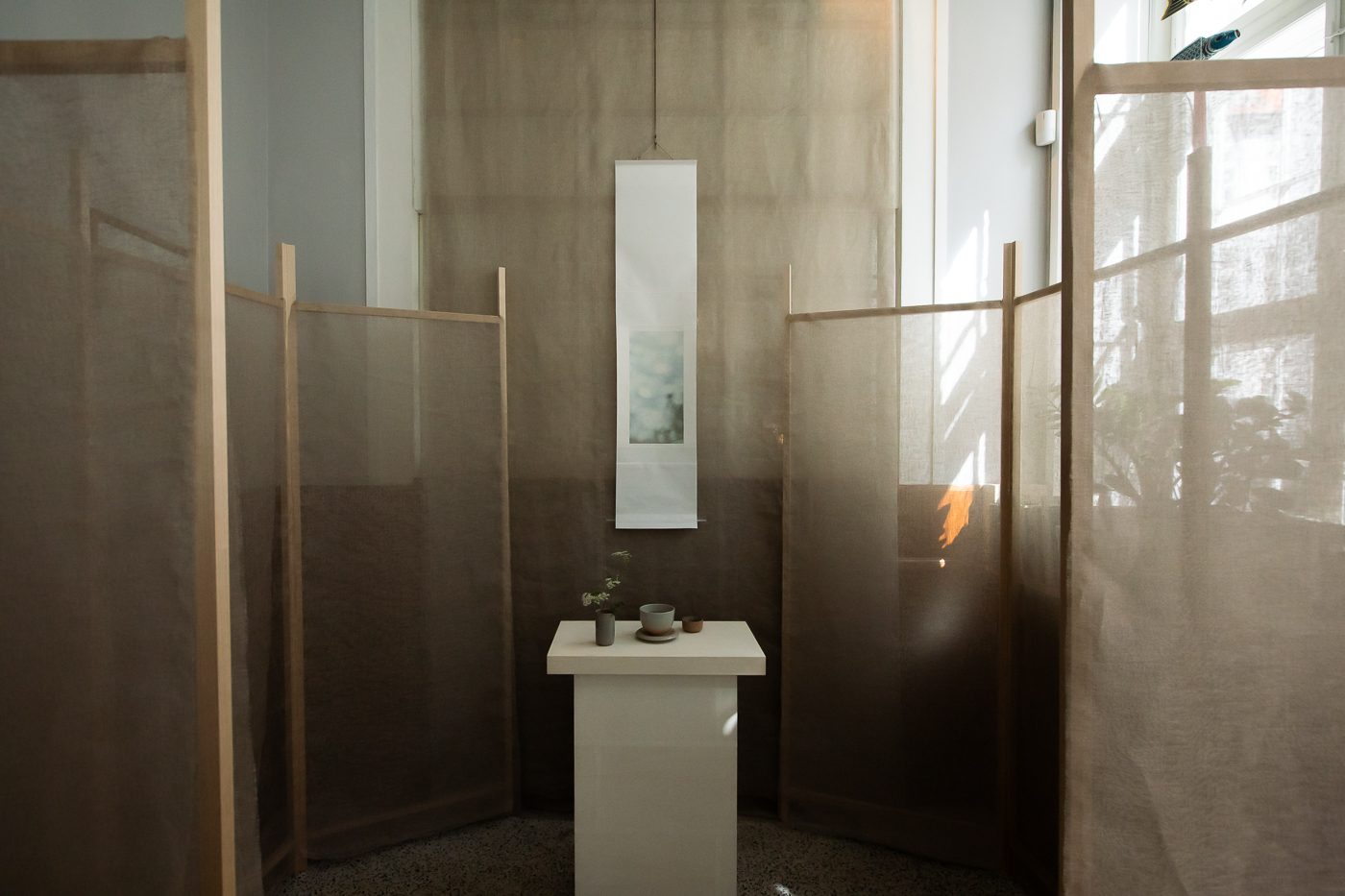
That is why, for this presentation in Copenhagen, we did not simply display the vessels. We conceived the project as a whole to include plating real food on them and using them in a restaurant.
During the festival, we held a food programme with Atsushi Nakahigashi of So /s/ KAWAHIGASHI in Kyoto and Admiralgade 26, the restaurant that hosted the exhibition.
At the collaboration dinner, a special course based on kaiseki and incorporating Nordic ingredients and sensibilities was served on osaa vessels.
At the brunch, a set menu inspired by the Japanese breakfast — rice, soup, seasonal dishes, fish, pickles and tea — was served.
Both were fully booked, becoming moments when the food cultures of Japan and Denmark met at a single table.
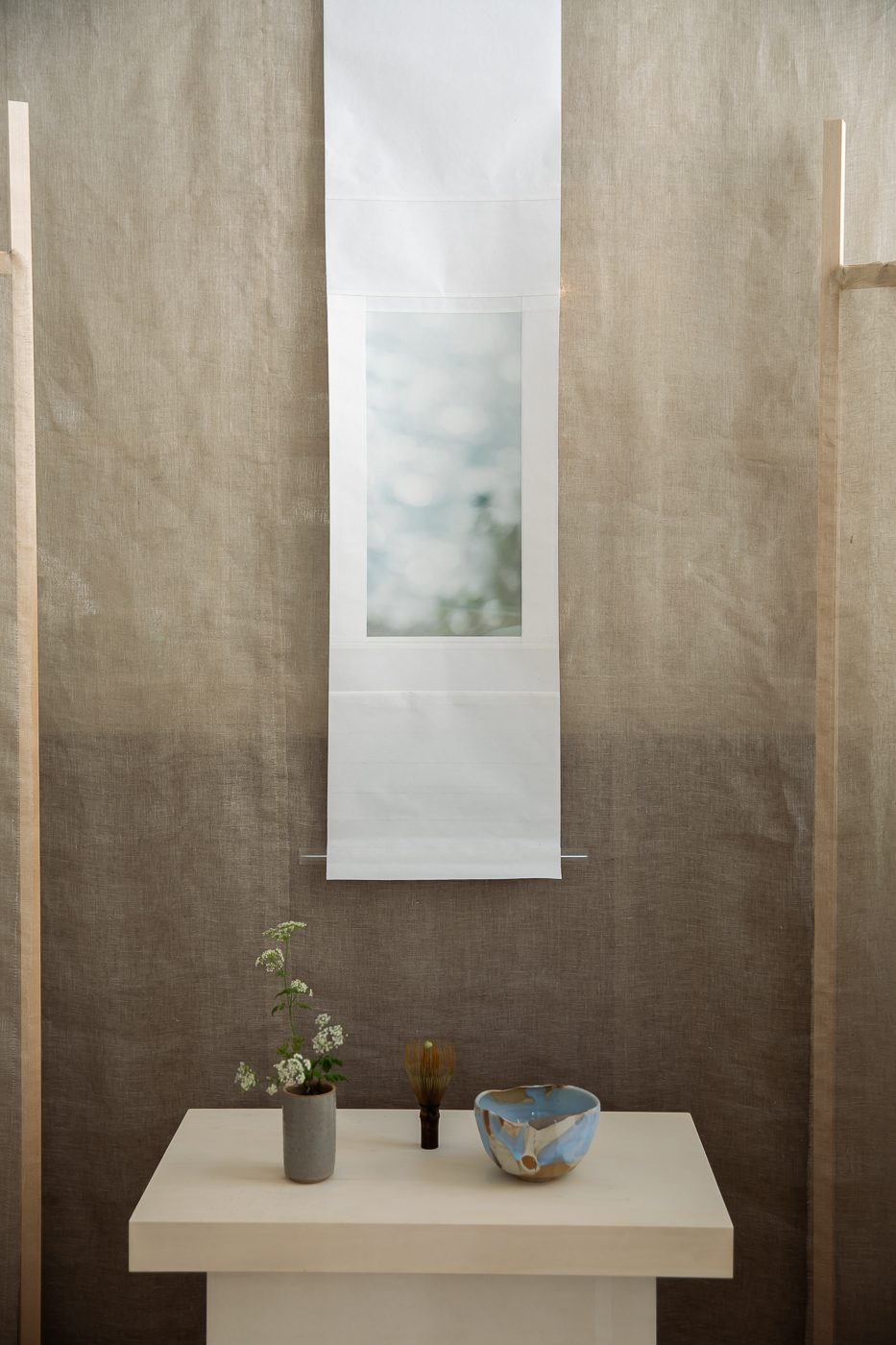
A vessel is not complete on an exhibition plinth.
Only when food is placed on it, when it is touched by human hands and used around a table, do certain of its expressions come to light.
Those who make.
Those who cook.
And those who use.
A vessel sits between each of these dialogues.
This is what osaa has continued to think about throughout this project.